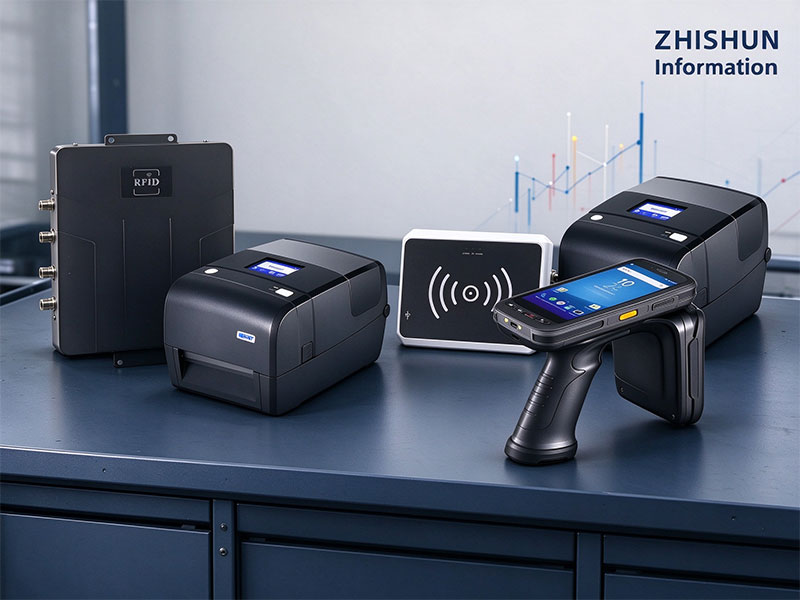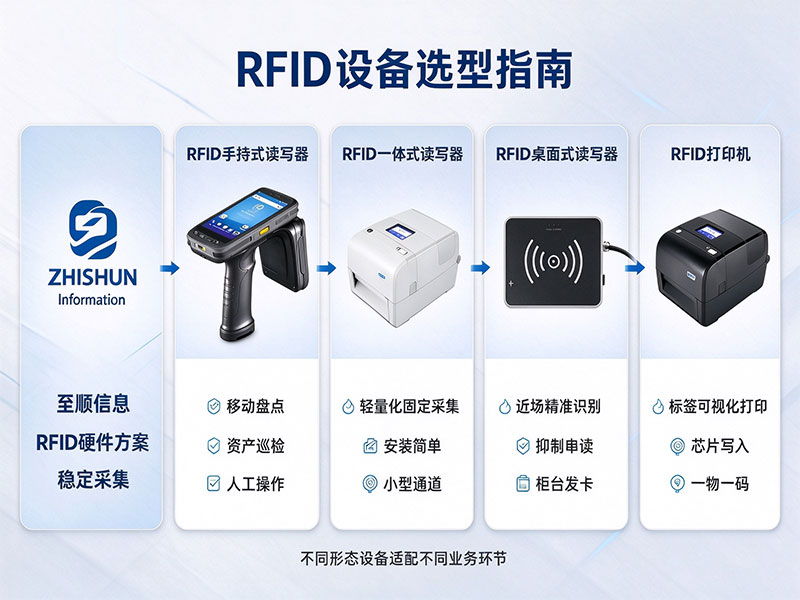
Rfid Technology Empowers Various Industries
 2026-11-11
A practical, end-to-end plan for deploying Ultra-High-Frequency RFID across receiving, putaway, cycle counting, picking, shipping — and onward through yard, linehaul, hub sortation and last-mile logistics — with architecture, read-point design, ROI analysis and a 90-day rollout roadmap.
1. Executive Summary
2. The Problem: Manual and Barcode-Based Warehouse Operations
3. System Architecture: Tags, Readers, Middleware and WMS
4. Labeling Strategy: Item, Carton and Pallet Level
5. Read-Point Deployment Plan
6. Core Workflows: Receiving to Shipping
7. Beyond the Four Walls: Logistics and Transportation
8. Barcode vs. UHF RFID Performance
9. ROI Analysis
10. 90-Day Implementation Roadmap
11. KPIs and Acceptance Criteria
12. Change Management and Staff Enablement
13. Risk Mitigation and RF Troubleshooting
14. Security, Privacy and Data Governance
15. Vendor Evaluation Checklist (RFP)
16. Frequently Asked Questions
This document is a deployment-ready solution blueprint for managing a warehouse with UHF RFID (860–960 MHz, EPC Gen2). It defines what to tag, where to read, how each workflow changes, what the system returns on investment, and how to roll it out in 90 days without disrupting daily operations.
 Photo 1 — A single operator with a handheld UHF RFID reader counts an entire rack of cartons in seconds.
UHF RFID replaces contact, line-of-sight, one-at-a-time barcode scanning with remote, bulk, automatic identification. One fixed portal at a dock door verifies a full pallet of mixed cartons in < 2 seconds. One operator with a handheld reader cycle-counts 500+ cartons on a rack aisle in minutes instead of hours. The result across a typical distribution center:
• Inventory accuracy: from a typical ~63% (manual counts) to 99%+ sustained by weekly cycle counts.
• Receiving throughput: 75–90% faster — pallets verified automatically through dock-door portals.
• Shipping verification: zero wrong-box shipments at portal-equipped outbound doors; errors are caught before the truck leaves.
• Labor redeployment: counting and verification labor shifts to picking and value-added work.
Scope of this plan: carton- and pallet-level tracking (recommended starting point), with an optional path to item-level serialization. Covers one distribution center of up to ~30,000 m²; the model scales by adding portals and readers per zone.
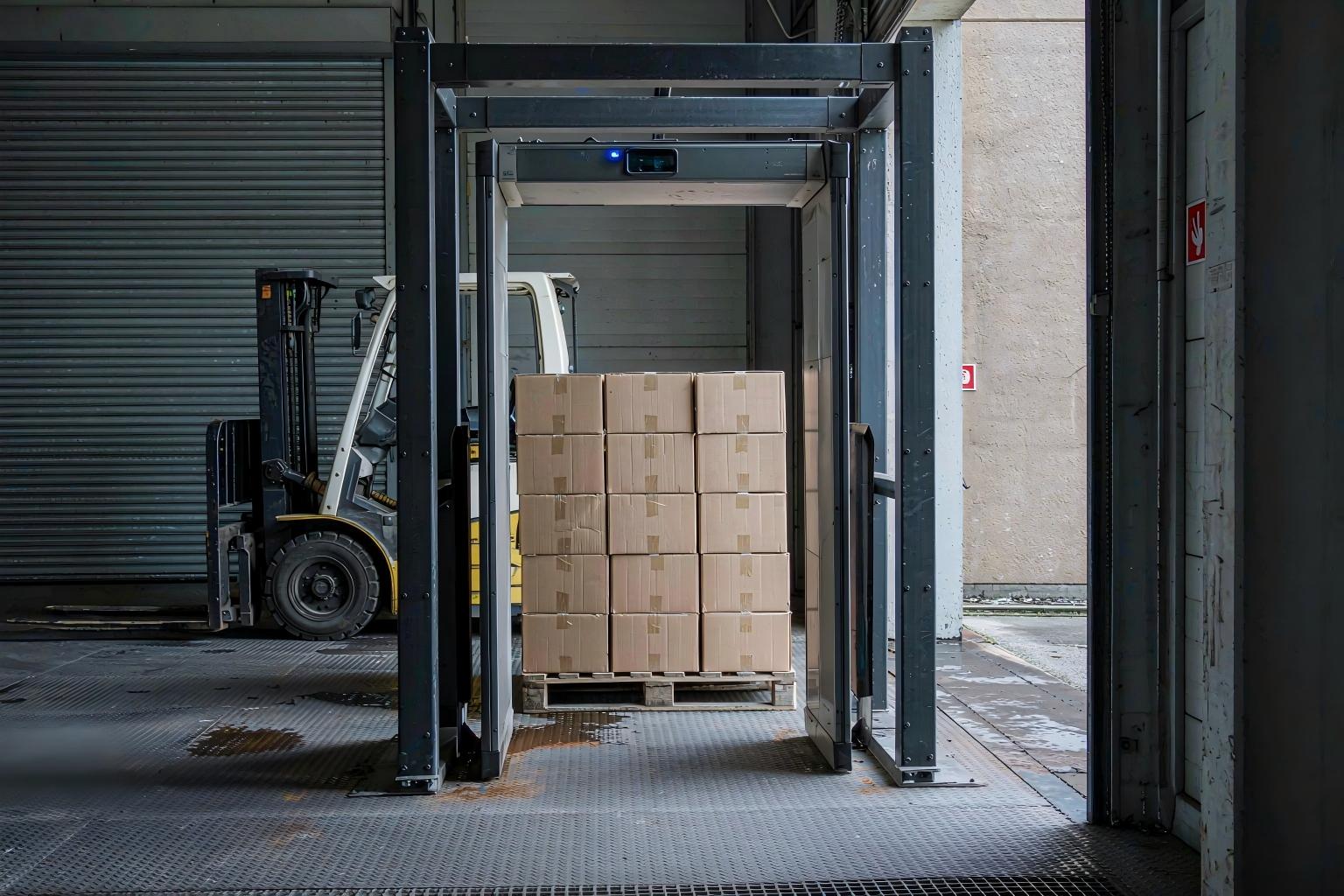 Photo 2 — A fixed UHF RFID portal at a dock door: every carton on the pallet is identified automatically, in motion, in under two seconds.
Barcode-driven operations share four structural weaknesses that RFID directly addresses:
1. Line-of-sight dependency. Every carton must be picked up, rotated and scanned individually. Receiving a mixed pallet of 60 SKUs takes 15–25 minutes of pure scanning.
2. Counting cost. Full physical inventories shut down operations for a day or more, which is why most warehouses count only once or twice a year — and run the rest of the year on decaying records.
3. Verification blind spots. Outbound checks rely on the same human scanning discipline as inbound. Mis-ships are usually discovered by the customer, not the warehouse.
4. No passive data capture. Barcodes record nothing unless someone scans. Material flow between scan points — the majority of movements — is invisible.
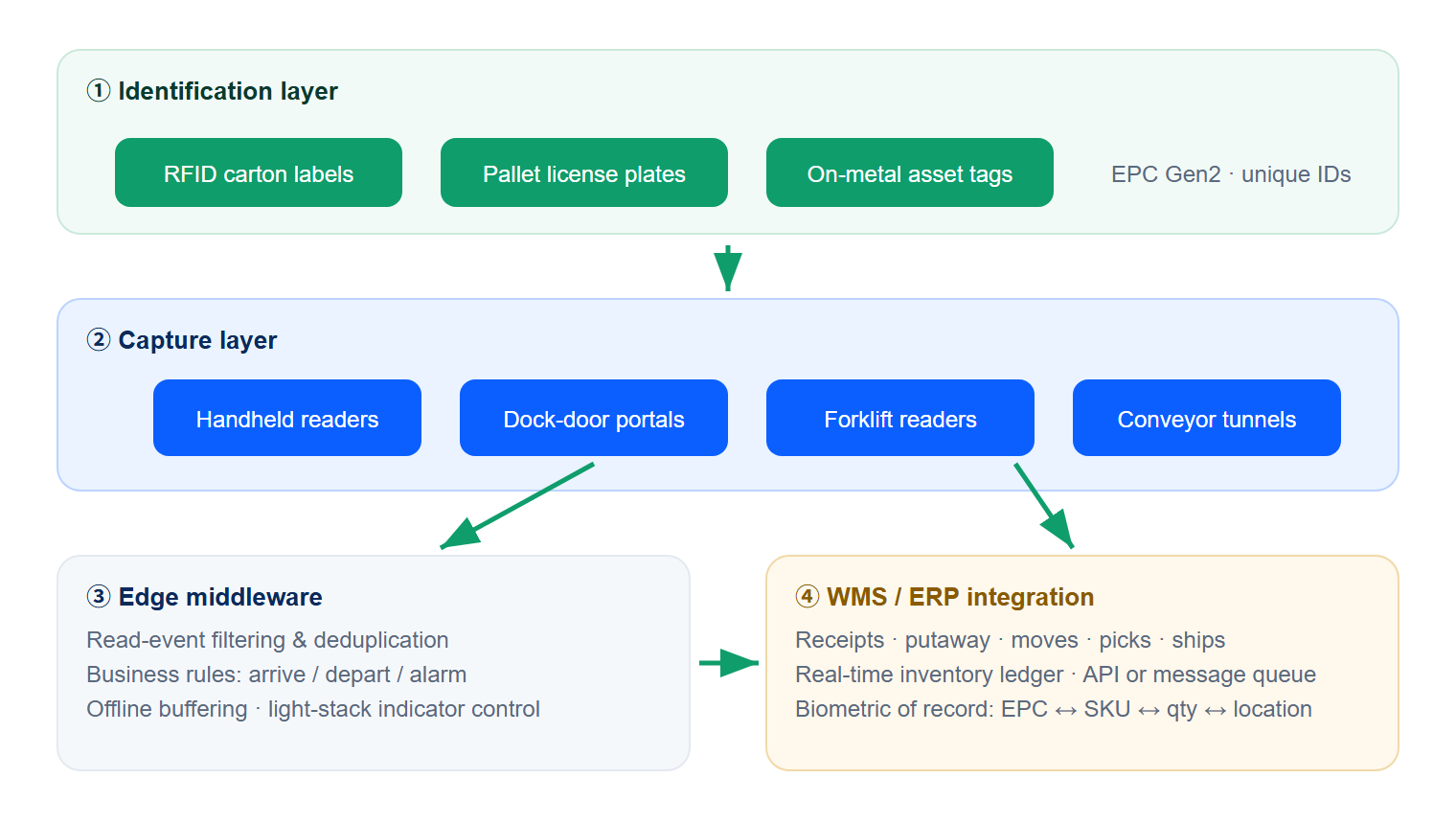
Fig. 1 — Four-layer architecture: identification → capture → edge middleware → WMS/ERP. The middleware layer is what turns raw tag reads into business events.
• The EPC is the key, not the database. Tags store only a unique ID; SKU, lot, quantity and location live in the WMS and are linked by the EPC. This keeps labels cheap and data authoritative.
• Events, not reads. A portal fires hundreds of raw reads as a pallet passes. Middleware collapses them into one business event — "pallet P-1042 departed door DO3 at 14:02:11" — before it reaches the WMS.
• Hybrid identification. Every RFID label also carries its printed number and barcode as a universal fallback.
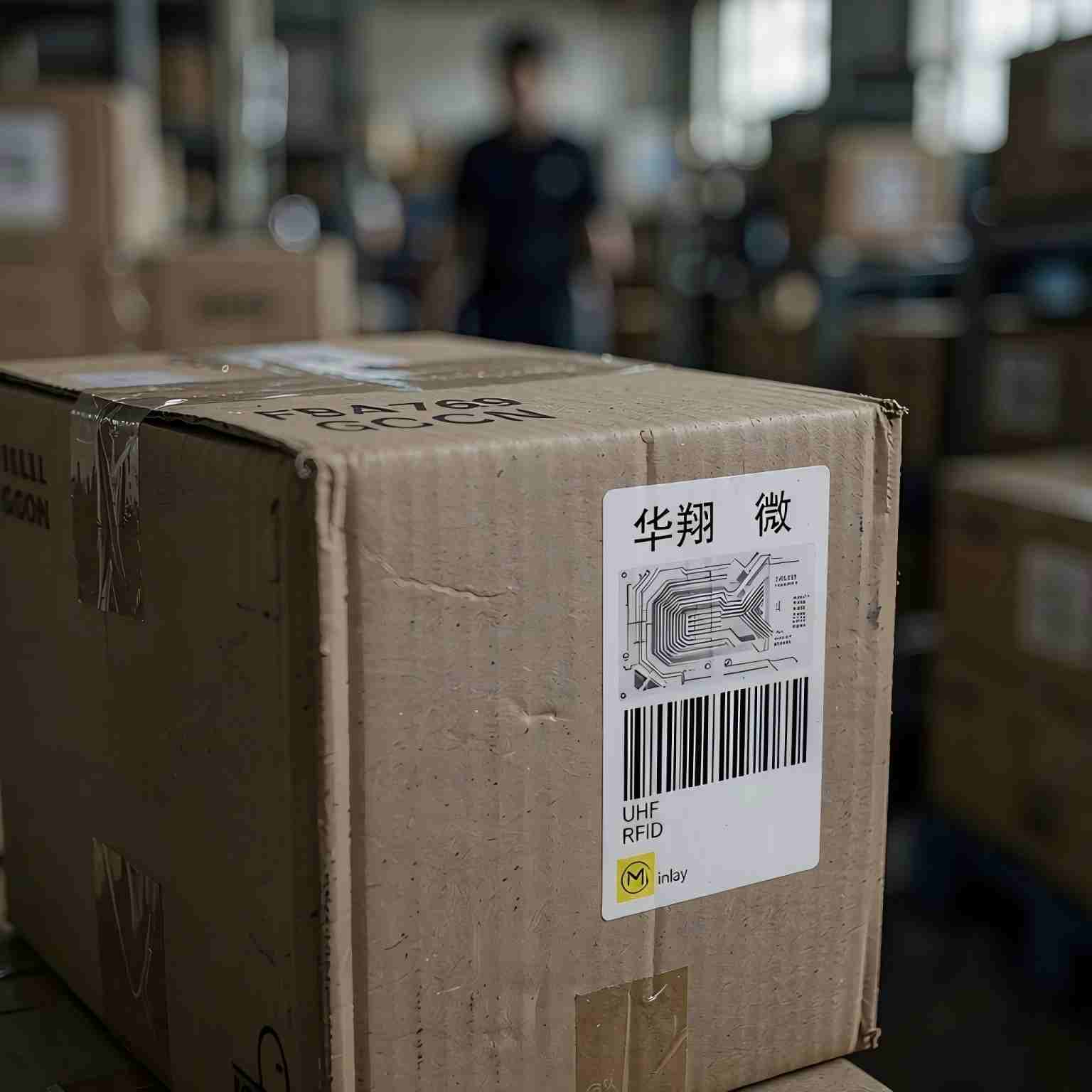 Photo 3 — A UHF RFID carton label: printed human-readable number + barcode fallback on top of an embedded EPC Gen2 inlay.
Level | What is tagged | Recommended hardware | Typical unit cost | Primary value |
Pallet | License plate tag on each pallet position | Durable card tag or on-metal tag | $1–3 | Fast asset & location tracking |
Carton (start here) | Every shipping carton / tote | Passive wet inlay label, 2"×1" to 4"×2" | $0.08–0.15 | Receiving, counting, picking, verification |
Item (optional phase 2) | Individual high-value units | Small inlay or hang tag; on-metal/flag for metal & liquids | $0.10–0.50 | Serialization, e-commerce piece picking |
Assets | Racks, MHE, laptops, tools | On-metal hard tags | $2–5 | Asset audit, loss prevention |
Placement rule: label on a consistent face, away from dense metal and liquid contents; keep a 3+ cm spacing between adjacent labels to avoid detuning. Validate every SKU with a read test before its first live run (the "tagged SKU catalog" step in the roadmap).
Fixed readers go where goods must be recorded — chokepoints, not everywhere. A typical DC of this scope uses 6–12 fixed portals:
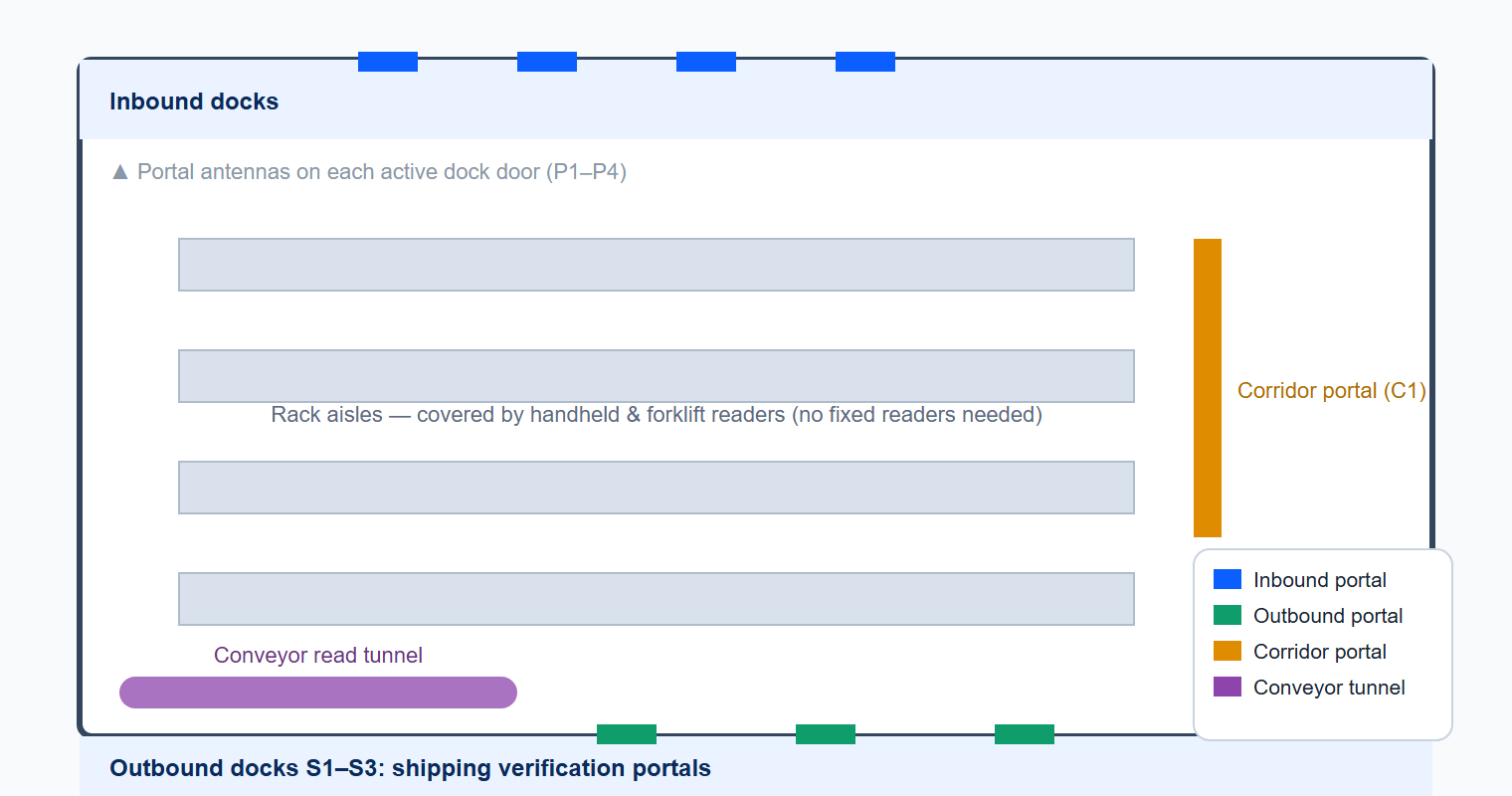
Fig. 2 — Read-point floor plan: portals at dock doors, one corridor checkpoint, a conveyor tunnel for parcel flow; aisles stay mobile (handheld + forklift readers).
Read point | Hardware | Event produced | Purpose |
Inbound dock doors | Portal: 2–4 panel antennas + fixed reader + light stack | Pallet/carton arrival | Auto-receiving vs. ASN |
Outbound dock doors | Portal (same build) | Departure + mismatch alarm | Ship verification, zero mis-ships |
Corridor checkpoint | Single panel pair | Zone transition | Where-are-goods-now visibility |
Conveyor / sortation | Overhead tunnel antennas | Per-carton flow | Order verification at speed |
Forklifts | Mast-mounted reader + antenna + tablet | Putaway / pick confirmations | Location accuracy at lift |
Rack aisles | Handheld readers | Cycle-count sessions | 99%+ record accuracy |
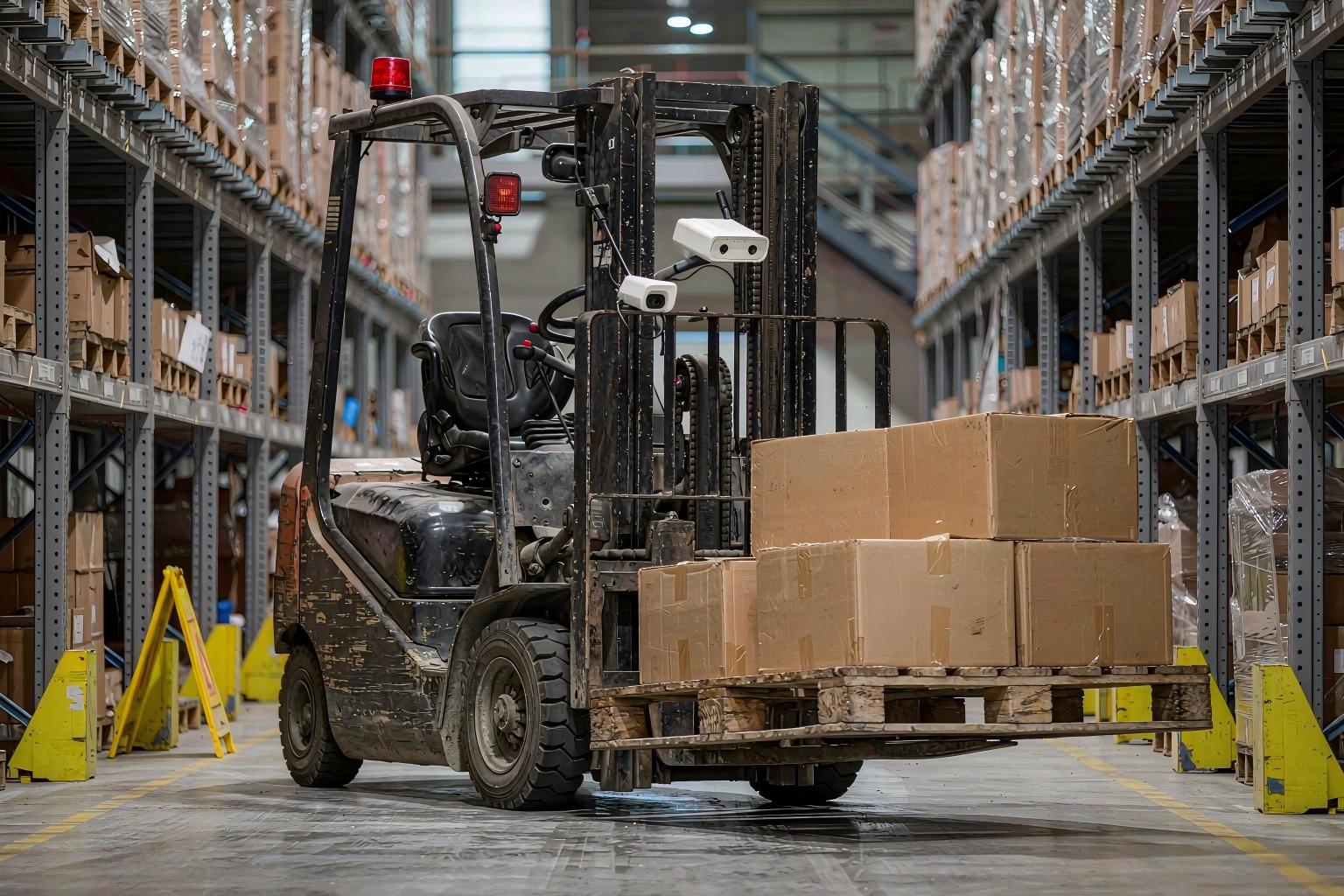 Photo 4 — Forklift-mounted RFID: putaway and pick confirmations happen automatically at the moment of lifting.
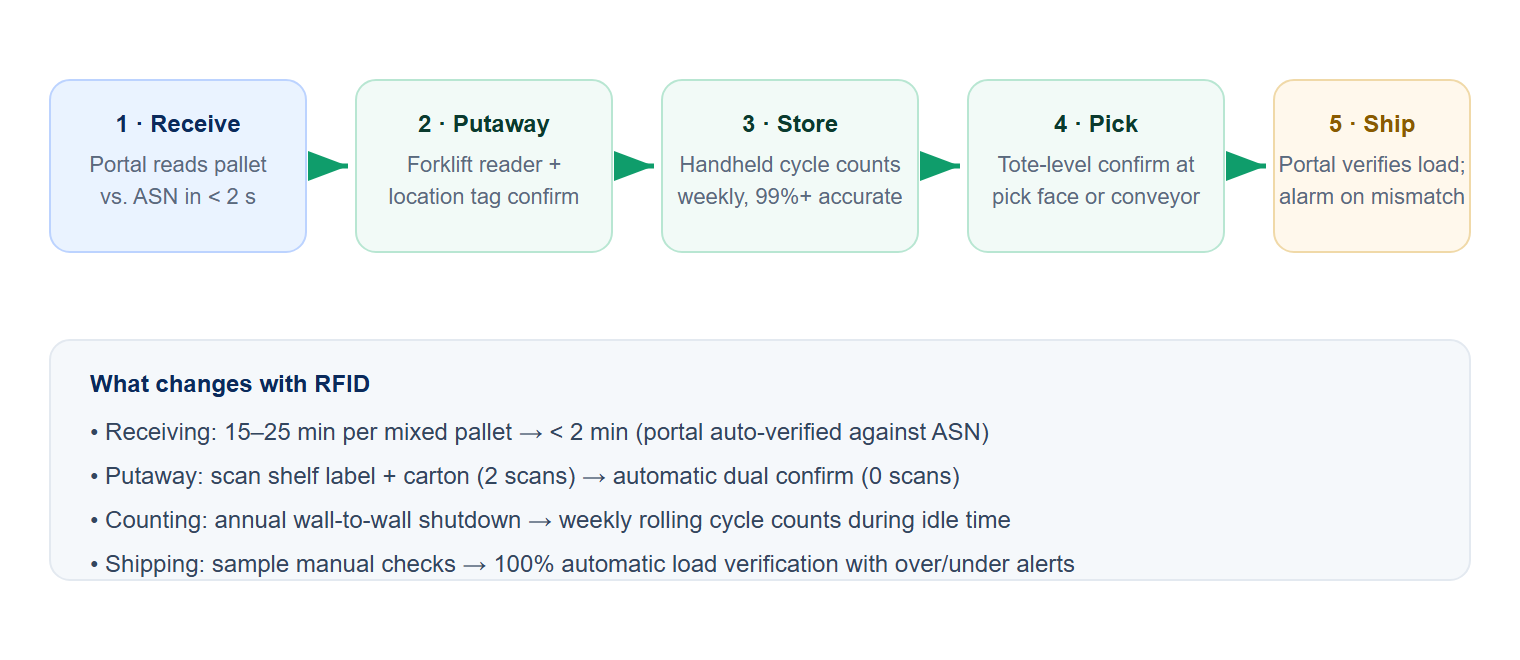 Fig. 3 — The five core workflows and what each step looks like after RFID goes live.
What changes with RFID:
• Receiving: 15–25 min per mixed pallet → < 2 min (portal auto-verified against ASN)
• Putaway: scan shelf label + carton (2 scans) → automatic dual confirm (0 scans)
• Counting: annual wall-to-wall shutdown → weekly rolling cycle counts during idle time
• Shipping: sample manual checks → 100% automatic load verification with over/under alerts
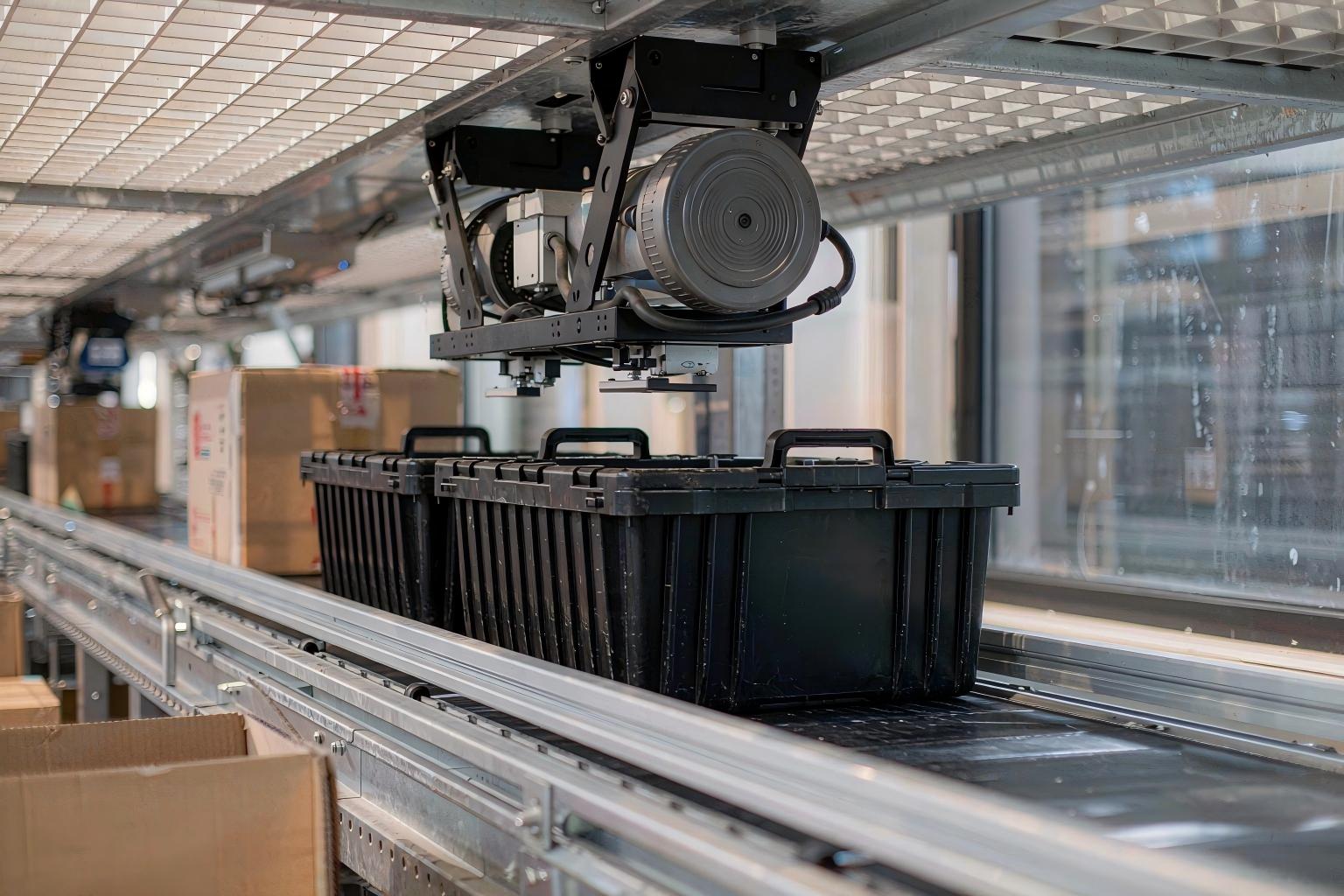 Photo 5 — Conveyor read tunnel: every carton is identified in motion, enabling 100% order verification at sortation speed.
• Read miss at a portal: the light stack turns amber and the WMS holds the movement for handheld re-verification — a 10-second fix, not a truck rollback.
• Unexpected tag event: middleware routes "ghost" reads (e.g., neighboring door pickup) to a review queue instead of the WMS ledger; portal power and polarization are tuned per doorway.
• Damaged tag: printed barcode on the same label keeps the operation moving; the EPC is re-issued and re-linked in the WMS in one screen.
A warehouse RFID system that stops at the dock door solves half the problem. The same tags, readers and event stream extend naturally to the yard, linehaul, hub sortation and last-mile handoff — turning the shipment's journey into a continuous, automatic chain of custody with no extra scanning labor.
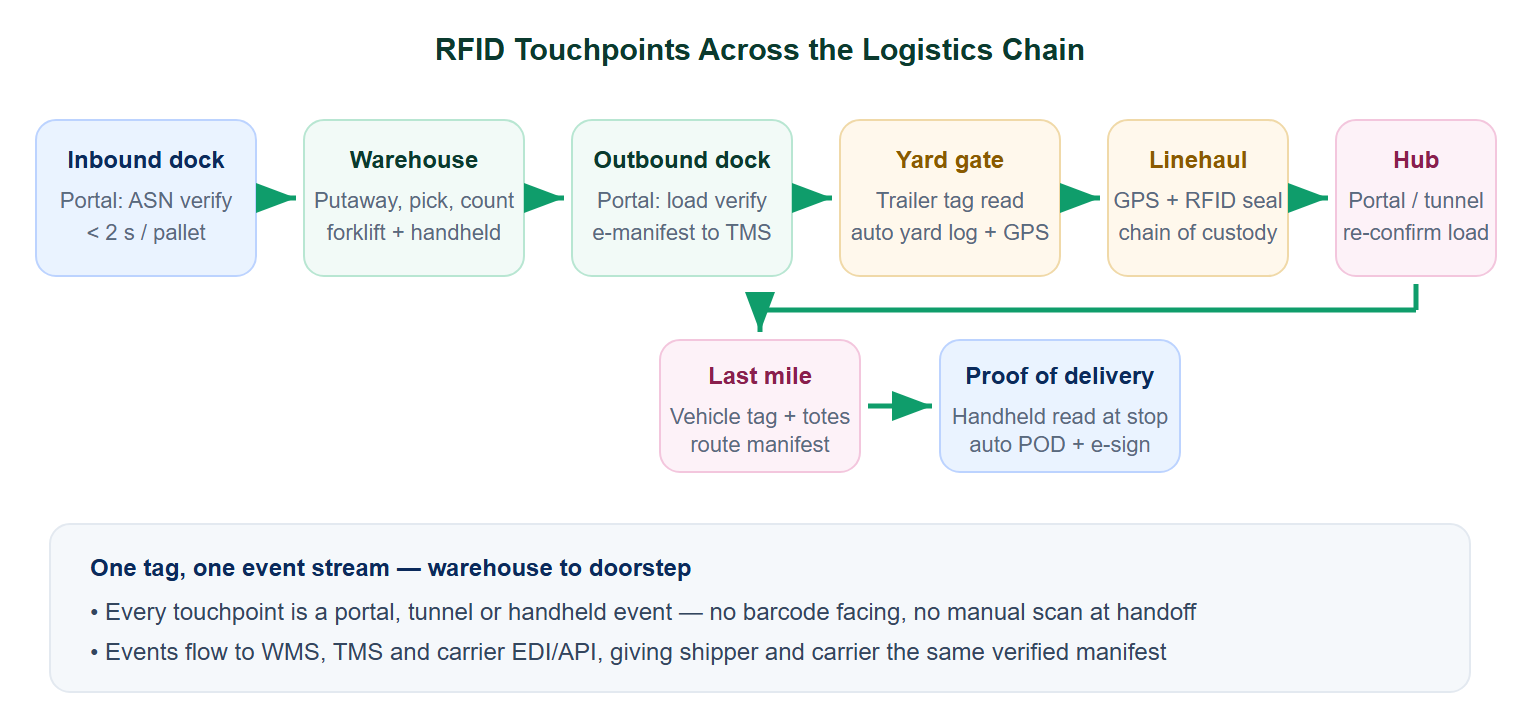 Fig. 4 — The same RFID event stream extends from warehouse operations through yard, linehaul, hub sortation and last-mile proof of delivery.
Hang a rugged UHF tag on every tractor and trailer, and install a reader at the gatehouse. Every gate event becomes an automatic yard log: which trailer entered, when, and where it was dropped. Combined with dock-door portals, the yard management module answers the questions that today consume hours of radio calls and clipboard walks:
• Where is trailer TX-4318? Last read: dock door 12, 14:22 — loading dock assignment verified automatically.
• Is the right trailer at the right door? The portal cross-checks trailer tag vs. shipment manifest; a mismatch fires an alert before the first pallet is loaded.
• How long has it been in the yard? Dwell-time reports expose detention charges and idle capacity without a single manual audit.
At handoff, the outbound portal produces a sealed electronic manifest: every pallet and carton read leaving the building is matched to the carrier's load plan. Over, short and damaged (OS&D) exceptions surface in seconds — while the truck is still at the door, not three days later as a customer claim. The manifest is pushed to the TMS and shared with the carrier via EDI or API, creating an indisputable handoff record for both sides.
Each time the trailer passes a hub or cross-dock with RFID portals, its content list is re-confirmed in seconds. For parcel and e-commerce flows, overhead conveyor tunnels read 1,000+ cartons per minute at sortation speed with no barcode-facing requirement — 100% verification instead of sampled scans. RFID events plus GPS trailer tracking together deliver door-to-door visibility that neither technology provides alone.
Read point | What is read | Typical hardware | Business function |
Gatehouse lane | Tractor / trailer tags | 1–2 panel antennas, 4-port reader | Yard log, gate control |
Outbound dock doors | Pallets, cartons, tote shipments | Dock portal (2 antennas + light stack) | Load verification, e-manifest |
Trailer interior | Loaded cartons (spot checks) | Handheld or forklift reader | Short/over detection pre-departure |
Hub portal / conveyor tunnel | Parcel cartons in motion | 4-antenna tunnel reader | Sortation verification (1,000+ cpm) |
Delivery vehicle door | Route totes and returnable assets | Compact vehicle-mount reader | Route manifest, returnable tracking |
Keep the RFID middleware as the single event bus: it writes to the WMS for inventory truth, to the TMS for shipment status, and forwards carrier-facing events via EDI 856 (ASN) or API. Never let carriers integrate directly to portals — the event layer, not the hardware, is the contract point.
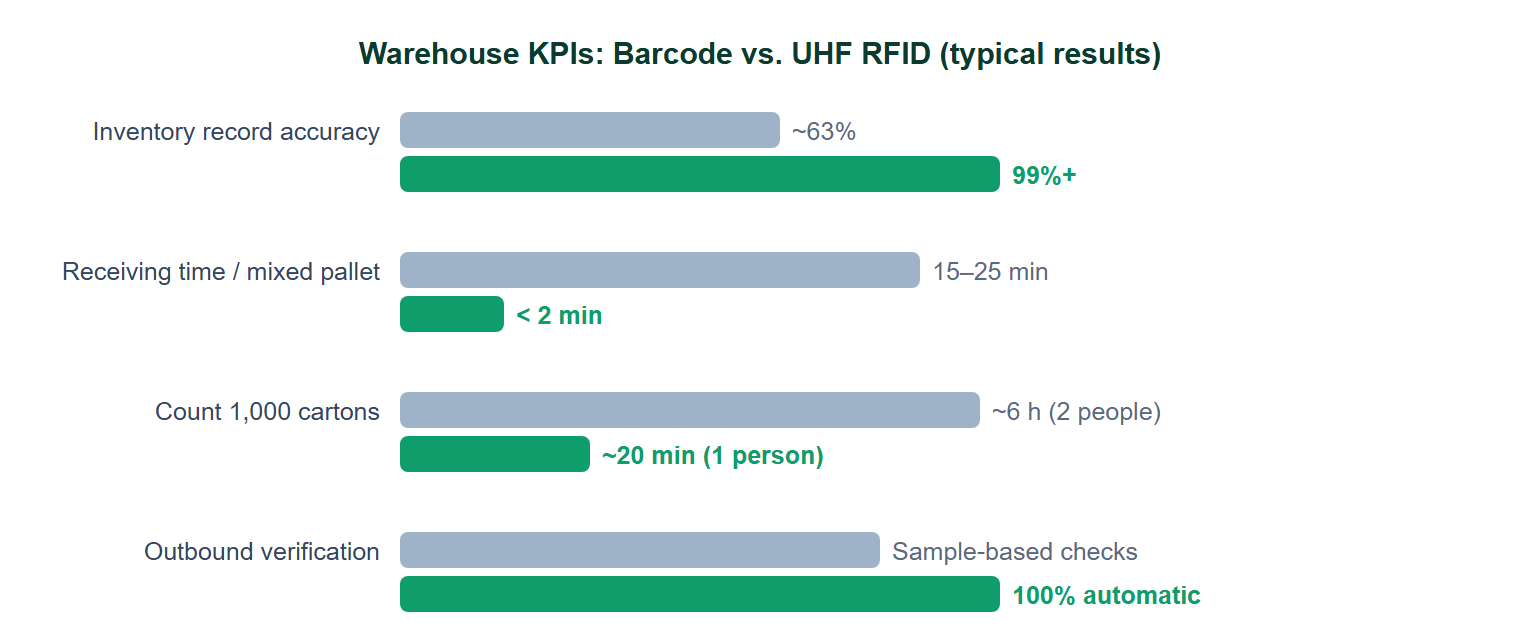
Fig. 5 — Typical KPI movement after a carton/pallet-level UHF RFID deployment. Actual results depend on SKU mix and process discipline.
Model for a 10,000 m² DC shipping 150 pallets/day, 250 working days/year:
Item | Estimate | Notes |
Hardware: 8 portals, 6 forklift kits, 8 handhelds, 1 conveyor tunnel | $95,000–140,000 | One-time capex incl. installation & commissioning |
Software: middleware + WMS integration | $30,000–60,000 | One-time; lower with existing RFID-ready WMS |
Labels: 1.5 M cartons/year | $135,000–225,000 / yr | At $0.09–0.15 per label; falls with volume |
Labor saved: receiving, counting, verification | $120,000–180,000 / yr | 3–5 FTE equivalents redeployed |
Error & shrink reduction | $60,000–150,000 / yr | Mis-ship penalties, chargebacks, stock loss |
Net payback | 14–26 months | Faster at high throughputs or with chargeback-heavy customers |
Sensitivity: label cost dominates at item-level tracking; at carton level the labor line usually carries the case. If your customers levy RFID-mandated chargebacks (major retail chains), effective payback often drops below 12 months.
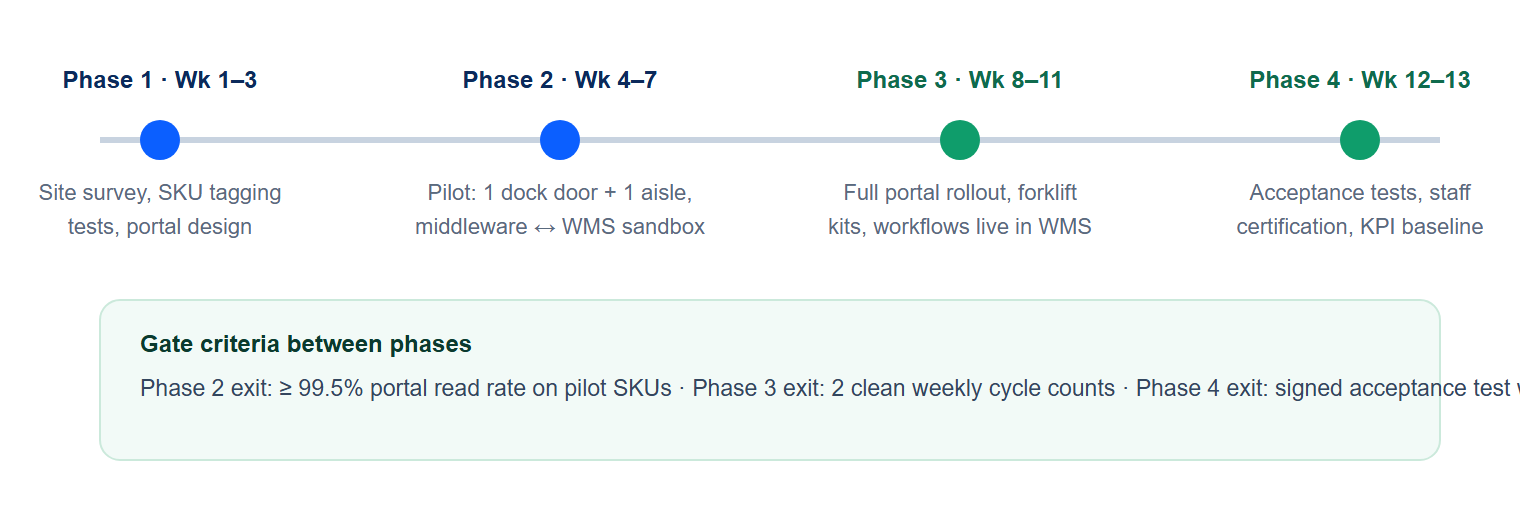 Fig. 6 — 90-day rollout with hard gate criteria. The pilot phase is where read-rate problems get solved — cheaply.
• Phase 1 (Wk 1–3): site survey, SKU tagging tests, portal design.
• Phase 2 (Wk 4–7): pilot — 1 dock door + 1 aisle, middleware-to-WMS sandbox.
• Phase 3 (Wk 8–11): full portal rollout, forklift kits, workflows live in WMS.
• Phase 4 (Wk 12–13): acceptance tests, staff certification, KPI baseline.
Gate criteria: Phase 2 exit — ≥ 99.5% portal read rate on pilot SKUs; Phase 3 exit — 2 clean weekly cycle counts; Phase 4 exit — signed acceptance test with read-rate and exception-handling SLAs.
KPI | Baseline (barcode) | Target with RFID | Measured by |
Portal read rate (tagged SKUs) | — | ≥ 99.5% | Middleware event logs vs. test pallets |
Inventory record accuracy | ~63% | ≥ 99% | Weekly cycle count vs. WMS ledger |
Receiving cycle time (mixed pallet) | 15–25 min | ≤ 2 min | WMS timestamps |
Outbound mis-shipments | 0.5–2% | < 0.05% | Portal mismatch alarms + customer claims |
Counting labor hours / week | 40–60 h | ≤ 10 h | Handheld session logs |
 Photo 6 — The end state: live inventory positions and exception alerts from portal, forklift and handheld events — in one dashboard.
Technology is rarely the reason an RFID program stalls — unused data and unowned processes are. Budget change management as deliberately as hardware:
Workstream | What to do | Owner | Timing |
Role impact mapping | List every task that changes (receive, putaway, count, pick, ship) and who performs it; resolve "does this replace my job?" fears early — RFID typically redeploys labor rather than cutting it | Operations manager | Phase 1 |
Super-user program | Certify 1 super-user per shift during the pilot; they become first-line support and the voice of the floor during rollout | Project lead | Phase 2 |
Hands-on training | 90-minute per-role sessions: handheld use, exception queues, tag application SOP; certify before go-live, refresh quarterly | Super-users | Phase 3–4 |
Visual management | Portal light-stack color codes posted at each door; one-page exception cheat sheets laminated at workstations | Shift leads | Go-live |
Feedback loop | Weekly 15-minute review of top exceptions for the first 8 weeks; convert recurring manual fixes into middleware rules | Project lead | Post go-live |
Adoption metric to track: percentage of movements executed through the RFID path vs. manual fallback. Target ≥ 95% by week 4 after go-live — if fallback usage stays high, the root cause is almost always an untrained shift or a broken device workflow, not the technology.
Every warehouse RF environment is different. These are the five failure patterns seen in real deployments, with proven countermeasures:
Symptom | Likely cause | Countermeasure |
Portal reads tags from the neighboring dock door | Antenna power too high / wrong polarization | Reduce EIRP, switch to circular polarization, add RF shielding or tunnel geometry at the doorway; tune per door during commissioning |
Pallet reads fine, mixed carton cases miss 2–5% | Tag orientation stacked face-to-face (antenna cancellation) | Rotate alternating cartons 90° on the pallet ("brick-laying"), or specify tags with omni/dual-antenna inlays |
Metal racks detune tags placed against beams | Zero-gap metal contact | Use on-metal or flag-style tags; enforce 3+ cm spacing in the labeling SOP |
Intermittent portal downtime | Reader overheating in unventilated dock cabinet / PoE budget exceeded | Specify industrial temperature-rated readers, ventilated enclosures, dedicated PoE+ injectors |
Read rate degrades over months | Tag damage from re-wrap, moisture, UV; or new SKU packaging introduced without a read test | Quarterly spot audits of physical tags; gate every new SKU through the tagged-SKU catalog test before its first live run |
• Spectrum sweep to identify existing 900 MHz interferers (wireless sensors, legacy systems).
• Test reads of your actual worst-case SKUs (foil packaging, liquids, dense metal) at candidate portal locations.
• Document attenuation hot spots; adjust the read-point plan before purchase orders go out — moving a planned portal on paper is free, moving one after installation is not.
RFID data is operational data — but it is still data, and it needs ownership:
• Tag data protection. Standard practice: lock the EPC memory bank after commissioning (perma-lock), enable a kill/sleep command for labels on outbound shipments, and never store customer-identifying data on the tag itself.
• Network security. Fixed readers are network endpoints: segregate them on a VLAN, require certificate-based authentication to middleware, and include reader firmware patching in your maintenance contract.
• Data ownership and retention. Define in writing: who owns the event ledger (operations vs. IT), retention period for read events (typically 12–24 months), and how EPC ↔ SKU ↔ order links are purged or anonymized.
• Regulatory alignment. If goods flow to the EU, align with GS1 EPCglobal standards and local privacy expectations (e.g., GDPR applies to any personally-linked movement data such as staff badge interactions with RFID systems); publish an internal RFID use policy covering what is tracked and why.
• Auditability. Middleware changes (power levels, event rules) must be version-controlled and logged — these settings determine what your inventory ledger believes.
Use this list when comparing integrators and hardware vendors — weight each line before scoring:
Category | Require the vendor to provide | Red flags |
Track record | ≥ 3 reference deployments in your industry, with measurable read-rate and payback results; site visit permission | Demos only in their own lab; no named references |
Commissioning | Written RF site survey, per-portal tuning report, and a signed read-rate acceptance test (≥ 99.5% on agreed SKU set) | "Installation only" scope without acceptance criteria |
Hardware | Industrial-rated readers (−20 to +50 °C, IP54+), regional frequency certification, spare-parts availability for 5+ years | Consumer-grade hardware rebranded for industry |
Software | Open APIs (REST/MQTT), documented event schema, offline buffering, WMS connectors for your specific WMS version | Proprietary closed middleware that traps your data |
Support | 4-hour remote response SLA, next-business-day hardware replacement, annual antenna re-tuning included | Email-only support; tuning billed ad hoc |
Commercial | Transparent per-portal and per-label pricing, escalation path, exit clause with data export guarantee | Long lock-in tied to proprietary tag formats |
RFID reads hundreds of tagged cartons per second without line of sight, while barcodes must be scanned one at a time with the label facing the scanner. In practice this cuts receiving and shipping verification time by 75–90%, raises inventory accuracy from ~63% (typical manual) to 99%+, and enables portal-based verification that happens automatically as pallets move.
Yes — keep them. A printed human-readable number plus barcode on every RFID label provides a manual fallback when a tag is damaged, and supports partners who do not yet accept RFID. Best practice is a hybrid: RFID for automation, barcode for exception handling.
Yes — metal detunes tag antennas and liquids absorb UHF energy. The solution is proven and standard: use on-metal or flag-style tags for metal surfaces and liquids, tune portal antenna power so portals read only their own doorway, and run an RF site survey before fixed-reader installation.
A focused pilot on one dock door and one product family typically takes 4–6 weeks. A phased full-warehouse rollout including portal installation, WMS integration and staff training usually completes within 3–6 months, with most value visible after the first cycle-count cycle.
The same tags and middleware that run the warehouse extend outward: trailer tags plus a gatehouse reader create an automatic yard log; dock-door portals generate a sealed electronic manifest at carrier handoff; hub portals and conveyor tunnels re-confirm loads in transit at 1,000+ cartons per minute; vehicle-mounted readers tie route totes to last-mile proof of delivery. All events flow through one middleware bus into WMS, TMS and carrier EDI/API — one tag, one event stream, warehouse to doorstep.
Start with one dock door. Tag one inbound SKU family, install one portal, and run a 4-week pilot against your ASN data. If the portal read rate clears 99.5% and receiving time drops by 80%, the rest of the warehouse is just repetition — and this roadmap becomes your rollout schedule.

Scan To Add

Scan To Add
Copyright © 2026 Shenzhen Zhishun Information Technology Co., Ltd All Rights Reserved.
Technical Support:SYSX





 182-7997-4925

 Home